
Transforming Waste Water: The Essential Role of Aeration Diffusers
Aeration diffusers are crucial for wastewater treatment, enhancing oxygen transfer and promoting effective biological processes.
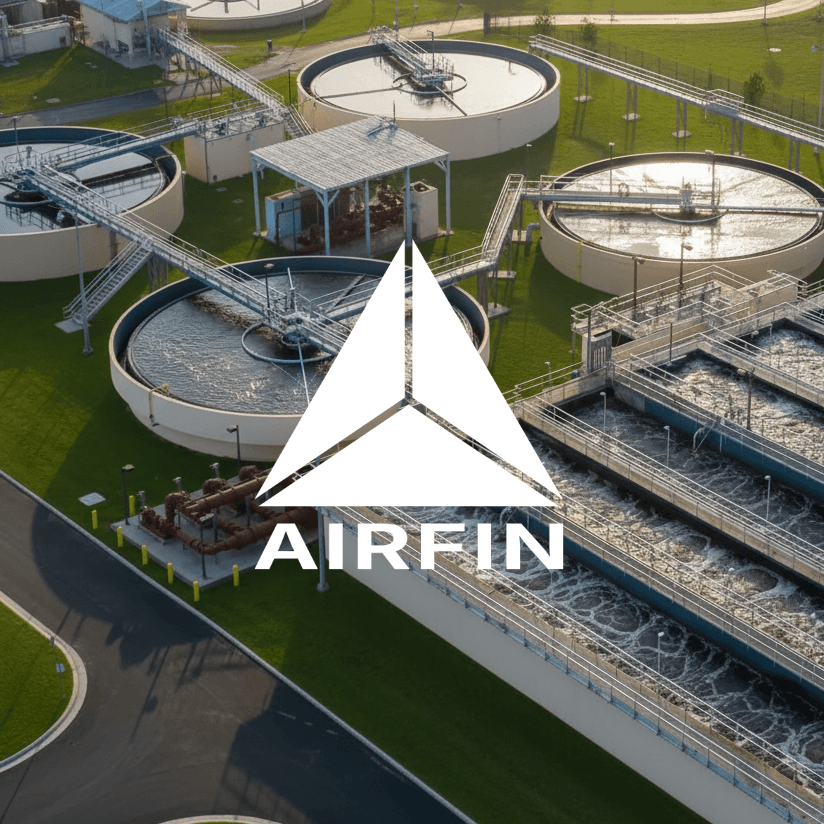
In every wastewater treatment plant, oxygen is the invisible worker that keeps biological treatment alive. Without sufficient oxygen, aerobic microorganisms—those responsible for breaking down organic waste—cannot thrive. Yet, introducing oxygen into water is far more complex than it seems. This is where aeration diffusers come in. They form the heart of the biological treatment process, enabling efficient oxygen transfer, uniform mixing, and stable microbial activity—all critical for clean, reusable water.
Today’s water treatment engineers recognize that the difference between an average treatment system and a high-performance one often lies in the design, selection, and operation of aeration diffusers.
Understanding Aeration: Why Oxygen Matters
Aeration is the process of transferring oxygen from air into wastewater. In activated sludge systems—the most common biological treatment process—microorganisms need oxygen to metabolize organic matter, ammonia, and other pollutants. When oxygen is limited, the process shifts toward anaerobic conditions, producing foul odors, low-quality effluent, and unstable biological performance.
Efficient aeration ensures:
- High biological oxygen demand (BOD) removal rates
- Stable nitrification and denitrification cycles
- Prevention of filamentous bulking
- Energy-efficient operation across varying loads
However, aeration alone is not enough. The method of oxygen transfer—diffused vs. mechanical—determines how efficiently energy converts into treatment performance. Diffused aeration, powered by aeration diffusers, offers the highest control and efficiency.
What Are Aeration Diffusers?
Aeration diffusers are specialized devices that disperse air into fine or coarse bubbles at the bottom of aeration tanks. These bubbles rise through the liquid column, transferring oxygen and creating mixing.
Types of Aeration Diffusers:
Fine Bubble Tube and Disc Diffusers
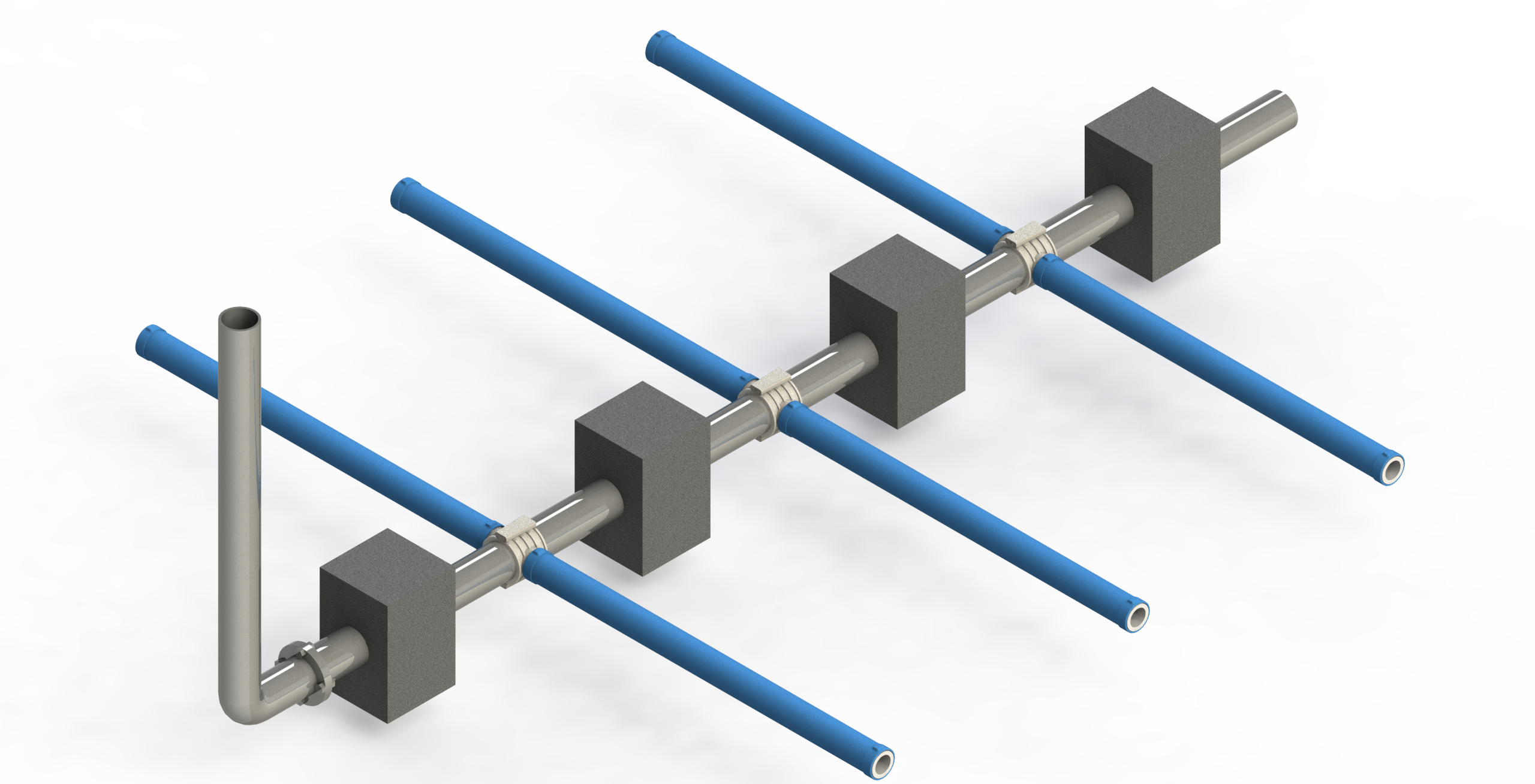
- Disc diffusers are compact, easy to install, and suited for retrofit systems.
- Tubular diffusers provide linear air distribution and better coverage in long basins.
- Use membranes (typically EPDM, silicone, or polyurethane) with precision slits.
- Generate small bubbles (1–3 mm), maximizing surface area for oxygen transfer.
- Common in activated sludge basins and extended aeration systems.

Coarse Bubble Diffusers
JJCJ
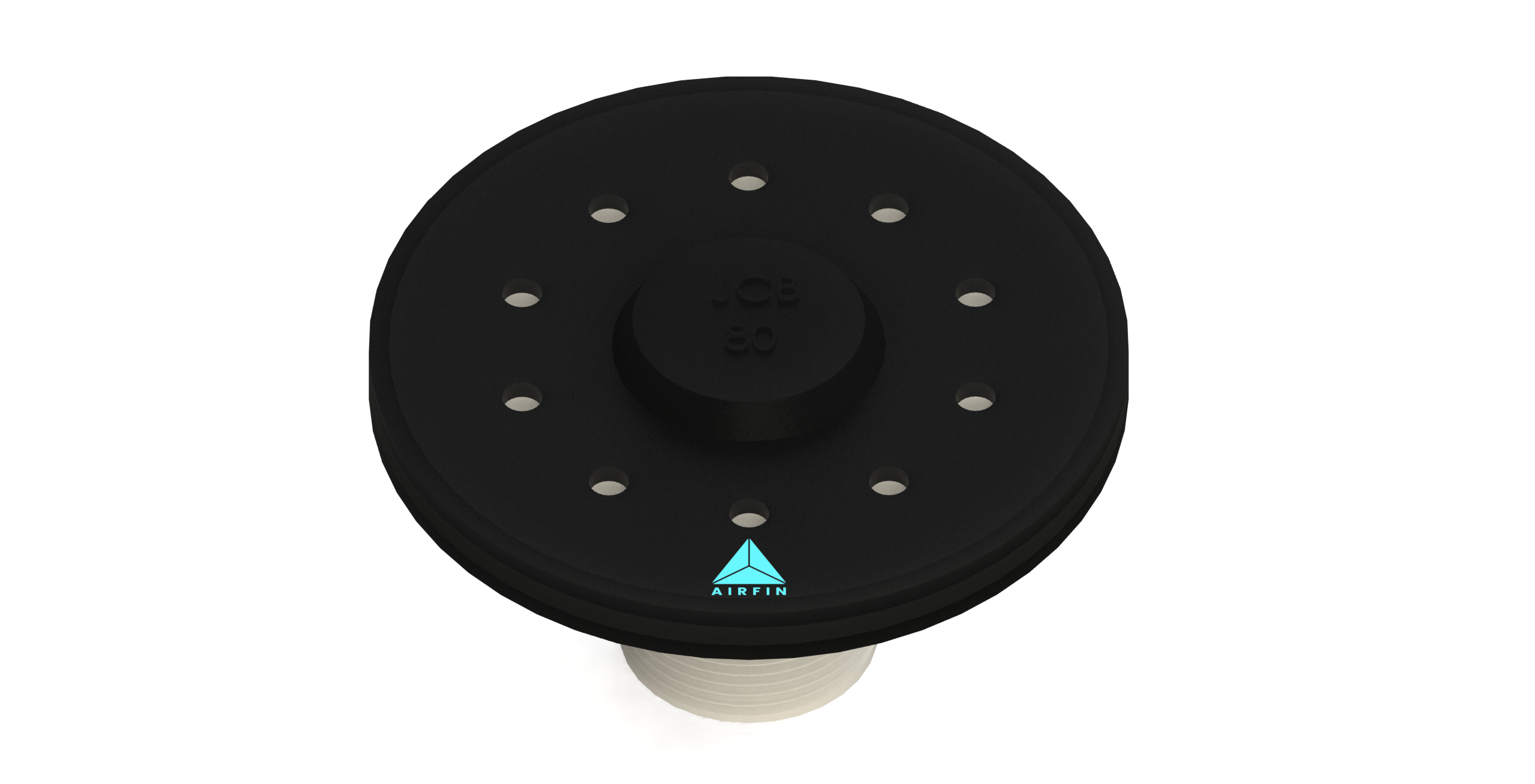
- Produce larger bubbles (3–10 mm).
- Ideal for high-solids or equalization tanks where clogging resistance and mixing intensity matter more than oxygen transfer efficiency.
Each diffuser type serves a specific hydraulic and biological function—engineers select based on tank geometry, process load, and maintenance goals.
The Science of Efficiency: How Diffusers Optimize Treatment
The performance of an aeration diffuser is governed by oxygen transfer efficiency (OTE)—the fraction of oxygen from supplied air that dissolves into the liquid. Fine bubble diffusers generally achieve 25–35% OTE, whereas mechanical aerators often operate below 10–15%.
Key influencing factors include:
- Bubble Size and Distribution: Smaller bubbles have greater surface area for gas exchange. Uniform bubble patterns prevent dead zones.
- Air Flow Rate: Too high, and bubbles coalesce; too low, and oxygen demand may exceed supply.
- Submergence Depth: Deeper diffusers increase contact time and transfer efficiency.
- Membrane Material: High-quality polymers maintain elasticity, resist fouling, and sustain performance under variable loading.
The right balance of these variables ensures optimal biological activity with minimal energy wastage—critical, as aeration can account for up to 60% of total plant energy consumption.
Design Considerations for Engineers
When designing or upgrading aeration systems, engineers should assess:
- Process Type and Loading: Conventional activated sludge, SBR, MBBR, or IFAS systems have different oxygen requirements.
- Tank Geometry and Mixing Needs: Diffuser spacing, layout pattern, and air distribution manifold design directly affect mixing dynamics.
- Maintenance Accessibility: Modular diffuser systems simplify inspection and membrane replacement.
- Energy Optimization: Pairing diffusers with advanced blower control systems (VFDs, DO sensors, PLC-based control) prevents over-aeration.
- Material Compatibility: Resistance to fouling, chemical exposure, and mechanical stress extends system lifespan.
Proper diffuser selection is not only a technical decision but a long-term operational strategy—balancing capital costs with sustained efficiency.
The Role of Innovation: Smarter Aeration Systems
Modern wastewater treatment facilities are embracing intelligent aeration systems that integrate:
- Real-time DO monitoring for feedback-based air control
- Hybrid diffuser configurations combining fine and coarse bubble zones
- Self-cleaning membranes to minimize downtime
- Modular diffuser grids allowing scalable plant expansion
- Emerging designs also explore advanced materials—such as PTFE-coated membranes—to resist fouling and maintain consistent oxygen transfer over years of operation.
- Case Insights: From Efficiency to Sustainability
In several municipal and industrial plants, upgrading from coarse to fine bubble diffusers has led to measurable gains:
- 20–40% energy savings through improved OTE
- Higher process stability under variable loads
- Reduced sludge production due to better microbial balance
- Improved effluent clarity and reduced ammonia levels
These results underline the strategic role aeration diffusers play—not just as equipment, but as enablers of sustainable, cost-effective wastewater management.
Conclusion: Breathing Life into Clean Water
Aeration diffusers may seem like simple devices, but they embody the core principle of biological treatment—bringing oxygen where it’s needed most. For wastewater treatment engineers, understanding diffuser technology is key to unlocking higher process efficiency, lower operational costs, and better environmental outcomes.
As treatment demands grow and energy costs rise, the focus is shifting from merely treating water to treating it intelligently. In that evolution, aeration diffusers remain the quiet force that keeps clean water flowing—efficiently, sustainably, and reliably.